
AI in Cybersecurity: Navigating the Double-Edged Sword for SMBs
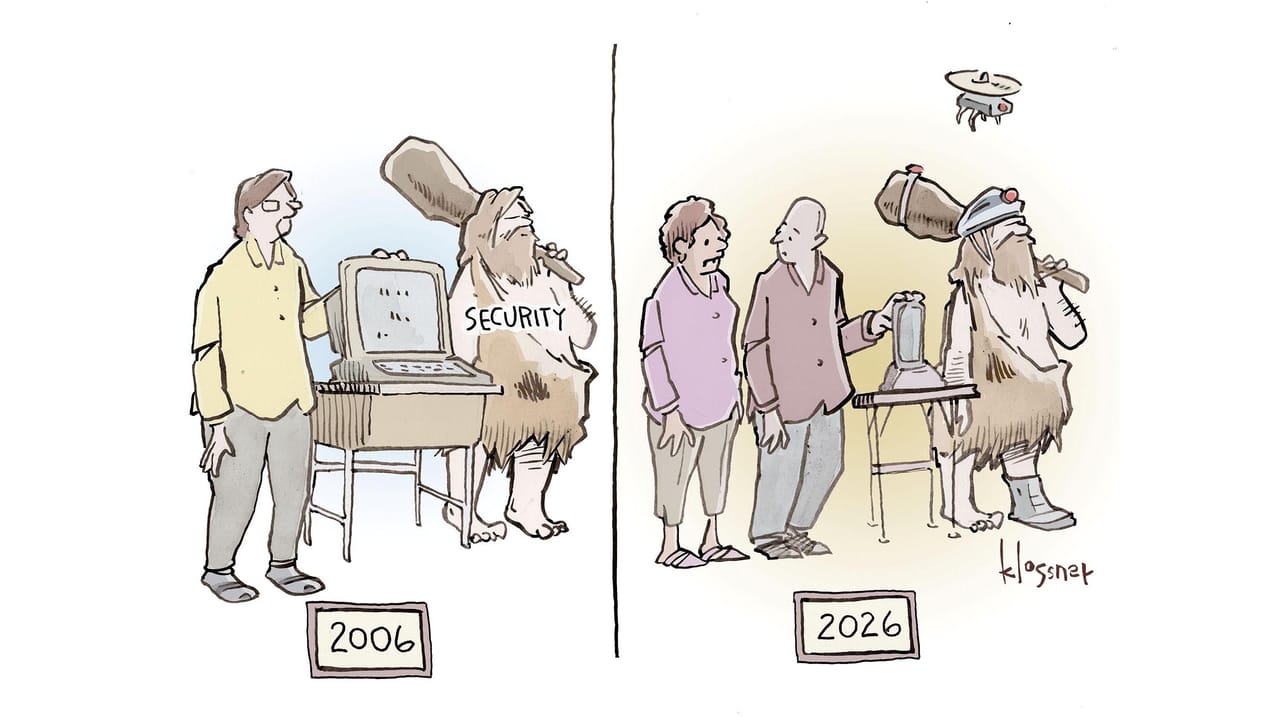
Artificial intelligence is transforming cybersecurity, offering both powerful defenses and new attack vectors. SMBs must understand how to leverage AI ethically and securely while mitigating emerging AI-driven threats.
Jordan Kim
Staff Writer
Artificial intelligence (AI) is rapidly reshaping the cybersecurity landscape. For small and medium-sized businesses (SMBs), this presents a dual challenge: how to responsibly adopt AI to strengthen defenses, and how to protect against sophisticated, AI-powered attacks. The promise of AI to automate threat detection and response is immense, but so are the risks if not approached with caution and strategic foresight. This article cuts through the hype to provide practical guidance for SMB decision-makers on navigating AI's impact on their cybersecurity posture.
The AI Advantage: Boosting Your Cybersecurity Defenses
AI isn't just for large enterprises; its capabilities are increasingly integrated into security solutions accessible to SMBs. Leveraging AI can significantly enhance your ability to detect, analyze, and respond to threats, often at a speed and scale impossible for human teams alone.
Enhanced Threat Detection and Anomaly Recognition
Traditional signature-based security tools struggle with novel threats. AI, particularly machine learning, excels at identifying patterns and anomalies that indicate new forms of malware, phishing attempts, or insider threats. It can analyze vast datasets of network traffic, user behavior, and endpoint activity to flag suspicious deviations from the norm. For an SMB with limited dedicated security staff, this proactive detection is invaluable, catching threats before they escalate.
Automated Incident Response and Prioritization
When a threat is detected, AI can automate initial response actions, such as isolating an infected device, blocking malicious IP addresses, or flagging an email as spam. This reduces the time attackers have to move laterally within your network. Furthermore, AI can prioritize alerts based on severity and potential impact, allowing your IT team to focus on the most critical issues first, optimizing resource allocation.
Predictive Analytics for Proactive Security
Beyond real-time detection, AI can analyze historical data to predict potential future vulnerabilities or attack vectors. By understanding trends in attack types, common misconfigurations, or user behavior patterns, SMBs can proactively strengthen defenses. This shifts your security posture from reactive to predictive, helping you patch weaknesses before they are exploited.
The AI Threat: New Attack Vectors and Sophistication
Just as AI empowers defenders, it also equips attackers with unprecedented capabilities. Cybercriminals are rapidly adopting AI to make their attacks more effective, scalable, and difficult to detect. SMBs must understand these evolving threats to build resilient defenses.
AI-Powered Phishing and Social Engineering
Phishing remains a top threat for SMBs, and AI is making it significantly more sophisticated. Tools like the recently discovered 'Bluekit' phishing service use AI to generate highly convincing email content, tailored to specific targets, with impeccable grammar and context. This makes it harder for employees to spot fake emails, increasing the success rate of credential theft and malware delivery. The sheer volume and personalization capability of AI-driven phishing campaigns overwhelm traditional human-based detection methods.
Automated Exploitation and Attack Generation
AI can automate the discovery of vulnerabilities in software and systems, and even generate exploit code. This means attackers can quickly identify and target weaknesses in your infrastructure without extensive manual effort. Furthermore, AI can be used to craft polymorphic malware that constantly changes its signature, evading traditional antivirus solutions, or to orchestrate complex, multi-stage attacks that adapt in real-time.
Deepfakes and Synthetic Media for Deception
While still emerging, the use of AI-generated deepfakes (realistic but fake audio, video, or images) poses a significant future threat. Imagine a deepfake audio of your CEO instructing an urgent wire transfer, or a deepfake video of a trusted vendor requesting sensitive information. These highly convincing deceptions could bypass even well-trained employees, leading to financial fraud or data breaches. SMBs need to be aware of this potential for advanced impersonation.
Practical Steps for SMBs: Harnessing AI Safely and Securely
Navigating the AI cybersecurity landscape requires a balanced approach. SMBs must embrace AI's defensive potential while implementing robust strategies to counter AI-driven attacks.
1. Prioritize AI-Enhanced Security Solutions
When evaluating new security tools—be it endpoint detection and response (EDR), Security Information and Event Management (SIEM), or email security gateways—look for solutions that incorporate AI/ML capabilities. These tools offer superior threat detection, anomaly analysis, and automated response compared to their non-AI counterparts. Focus on solutions designed for SMBs, offering ease of deployment and management.
2. Strengthen Your Human Firewall Against AI-Powered Attacks
AI makes social engineering more potent, so your human defenses must adapt. Conduct regular, realistic phishing simulations that mimic AI-generated attacks, including those with perfect grammar and context. Train employees to verify unusual requests through alternative channels (e.g., a phone call to a known number, not replying to the email). Emphasize skepticism, especially for urgent or high-value requests.
3. Implement Robust Identity and Access Management (IAM)
AI-driven credential theft is a major concern. Multi-factor authentication (MFA) is non-negotiable for all accounts, especially those with privileged access. Implement strong password policies and regularly review user permissions. AI can help detect anomalous login patterns or access attempts, adding another layer of defense to your IAM strategy.
4. Vet Third-Party AI Integrations Carefully
As businesses increasingly integrate AI tools into their operations, ensure proper security testing. If you're using AI agents or tools that interact with your production systems, treat them like any other critical third-party vendor. Conduct due diligence on their security practices, API security, and data handling. A poorly secured AI integration can become a significant attack surface, as seen with issues like AI agents deleting production databases due to insufficient testing.
5. Stay Informed and Adapt Your Strategy
The AI threat landscape is evolving rapidly. Regularly consult reputable cybersecurity resources (like SMB Tech Hub) to stay abreast of new AI-driven attack techniques and defensive strategies. Participate in industry forums or webinars. Your cybersecurity strategy should not be static; it must adapt to the pace of technological change driven by AI.
Bottom Line
AI is not just a buzzword; it's a fundamental shift in cybersecurity. For SMBs, it represents both a powerful ally and a formidable adversary. By strategically adopting AI-enhanced security tools, bolstering your human defenses against sophisticated social engineering, implementing strong identity management, and rigorously vetting AI integrations, you can leverage AI to your advantage while mitigating the new wave of AI-driven threats. Proactive engagement with this technology, rather than avoidance, will be key to securing your business in the years to come.
Topics