Navigating AI's Workforce Impact: Strategic Adaptation for SMBs
AI is redefining workforce needs, leading to efficiency gains but also job displacement. SMBs must strategically adapt their talent management, reskilling, and operational planning to thrive.
David Torres
Staff Writer
The rapid evolution of artificial intelligence is fundamentally reshaping the global workforce. While much of the conversation around AI focuses on its potential to drive unprecedented efficiency and innovation, a less comfortable but equally critical dialogue is emerging: its direct impact on human roles and organizational structures. Recent news, from major tech firms laying off staff due to AI-driven efficiencies to the growing debate around federal oversight of AI models, underscores that this isn't a distant future problem; it's a present reality that SMBs must confront head-on.
For small and medium businesses, this shift presents both immense opportunities and significant challenges. Unlike large enterprises with dedicated HR and R&D departments, SMBs often operate with leaner teams and tighter budgets. Understanding how AI will affect your existing workforce, what new skills will be required, and how to ethically and practically manage this transition is paramount for maintaining competitiveness and fostering a resilient, adaptable business culture. Ignoring these shifts risks not only operational inefficiencies but also significant talent drain and a failure to capitalize on AI's transformative potential.
The AI-Driven Workforce Shift: Beyond Automation
It's no longer a question of *if* AI will impact jobs, but *how deeply* and *how quickly*. The narrative is shifting from simple automation of repetitive tasks to AI augmenting, and in some cases, outright replacing, roles that involve complex data analysis, customer support, and even creative functions. Cloudflare's recent announcement of layoffs, explicitly citing AI-driven efficiency gains in support roles, serves as a stark reminder that even high-growth tech companies are feeling this pressure. For SMBs, this translates into a need to re-evaluate every job function through an AI lens.
This isn't just about replacing a human with a bot; it's about fundamentally redesigning workflows. An AI-powered customer service chatbot, for instance, doesn't just answer questions; it frees human agents to handle more complex, empathetic, or sales-oriented interactions. Similarly, AI in accounting might automate reconciliation, allowing human accountants to focus on strategic financial planning and analysis. The key is to see AI as a tool for *transformation*, not just *replacement*.
*Actionable Takeaway:* Begin an internal audit of core business processes. Identify tasks that are repetitive, data-intensive, or rule-based. These are prime candidates for AI augmentation or automation, which will inevitably redefine the roles currently performing them. Don't wait for a crisis; proactively identify where AI can enhance, not just eliminate, human effort.
Reskilling and Upskilling: Building Your Future-Ready Team
The most critical response to AI's impact on the workforce is not to fear job displacement, but to embrace strategic talent development. The skills gap is widening, with demand for AI-related proficiencies far outstripping supply. SMBs cannot afford to simply hire their way out of this problem; they must invest in their existing employees. This means a concerted effort in reskilling (teaching new skills for different roles) and upskilling (enhancing current skills for evolving roles).
Consider a small marketing agency. AI tools can now generate content, analyze campaign performance, and even manage ad bids. Instead of fearing job losses, the agency could reskill its junior copywriters into AI prompt engineers or content strategists, leveraging AI for first drafts while focusing human talent on brand voice, narrative, and high-level campaign vision. Similarly, a manufacturing SMB could upskill its production line supervisors to manage AI-driven robotics and predictive maintenance systems, transforming them from oversight roles to technology integrators.
Practical Approaches to Talent Development
- Internal Training Programs: Leverage online courses (Coursera, Udemy, LinkedIn Learning) or internal experts to teach basic AI literacy, data analysis, and prompt engineering. Start with pilot programs for highly impacted departments.
- Cross-Functional AI Teams: Create small teams comprising members from different departments (e.g., IT, Marketing, Operations) to explore AI tools relevant to their areas. This fosters internal champions and knowledge sharing.
- Partnerships with Local Institutions: Collaborate with community colleges or vocational schools to develop customized AI training modules relevant to your industry. This can also serve as a pipeline for future talent.
- Mentorship and Job Shadowing: Pair employees interested in AI with those who are already experimenting or have some technical aptitude. Learning by doing is often the most effective.
*Actionable Takeaway:* Allocate a dedicated budget, however modest, for employee training in AI-related skills. Start with foundational digital literacy and move towards specific tool proficiency. Prioritize employees whose roles are most likely to be impacted or augmented by AI in the next 12-18 months.
Navigating Ethical and Legal Implications: The Human Element
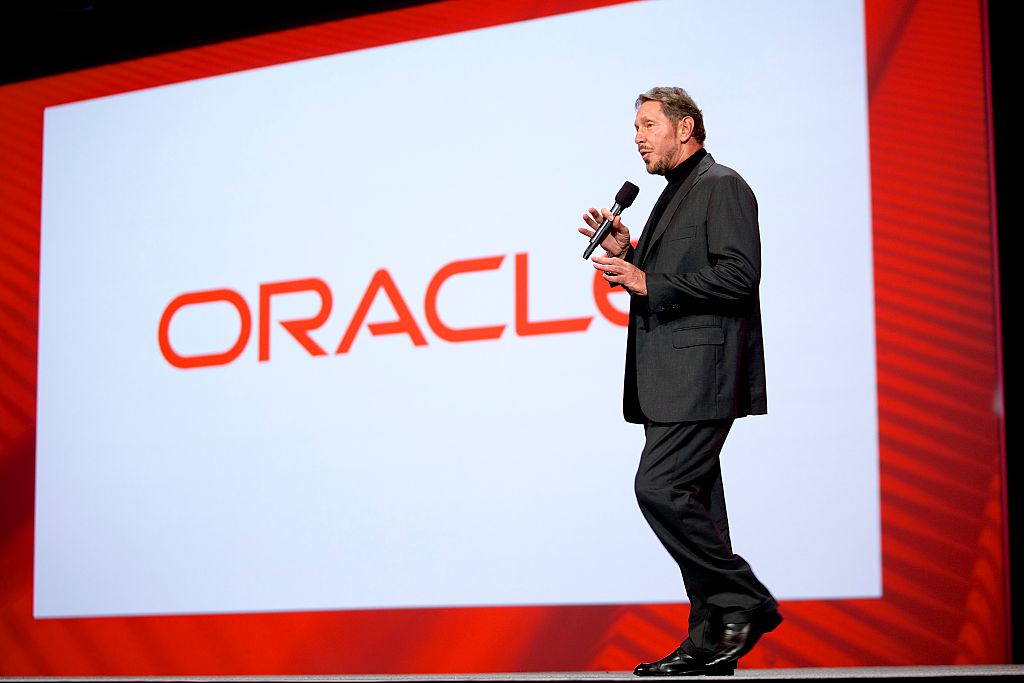
As AI reshapes roles, SMBs must also contend with the ethical and legal ramifications. The Oracle situation, where laid-off workers found themselves without WARN Act protections due to remote work classifications, highlights the complex interplay of employment law and evolving work models. While this specific case isn't directly AI-related, it underscores the need for SMBs to be meticulously compliant and ethically transparent when making workforce decisions, especially those influenced by new technologies.
Introducing AI into workflows can raise concerns about job security, data privacy, and algorithmic bias. Employees need to understand *why* AI is being adopted, *how* it will affect their roles, and *what opportunities* it creates. A lack of transparency can breed resentment, reduce morale, and even lead to legal challenges.
Ethical AI Deployment Considerations
- Transparency: Clearly communicate the rationale for AI adoption and its potential impact on roles. Avoid vague statements.
- Fairness: Ensure AI systems are not inadvertently introducing bias into hiring, performance evaluations, or customer interactions. Regularly audit AI outputs.
- Data Privacy: Understand and comply with all data privacy regulations (e.g., GDPR, CCPA) when using AI systems that process employee or customer data.
- Employee Consultation: Involve employees in the AI adoption process where possible. Their insights into workflows can be invaluable, and their buy-in is crucial.
*Actionable Takeaway:* Develop a clear internal communication strategy regarding AI adoption. Establish a small committee or task force to review the ethical implications of AI tools before widespread deployment, focusing on fairness, transparency, and data privacy. Consult with legal counsel on any significant workforce restructuring plans.
Operational Resilience in the AI Era: Beyond Human Redundancy
While AI promises efficiency, it also introduces new vulnerabilities. The news of Ubuntu infrastructure downtime, while not directly AI-related, serves as a potent reminder of the fragility of digital systems. As SMBs increasingly rely on AI-powered tools, their operational resilience becomes inextricably linked to the stability and security of these systems. This isn't just about human job security; it's about business continuity.
If your customer support relies heavily on an AI chatbot, what happens when that service goes down? If your supply chain optimization is managed by an AI, what's your backup plan if the model fails or its data source is compromised? SMBs must build redundancy and robust monitoring into their AI-driven operations, just as they would for any critical IT infrastructure.
Building AI-Resilient Operations
| Aspect | Traditional Approach | AI-Integrated Approach | Implications for SMBs |
| :--------------------- | :--------------------------------------------- | :---------------------------------------------------- | :------------------------------------------------------------------------------------------------------------------------------------------------- |
| Customer Support | Human agents, call centers | AI chatbots, human agents for escalation | Need clear escalation paths, human training for complex issues, monitoring AI performance. |
| Data Analysis | Manual reports, spreadsheets | AI-driven dashboards, predictive analytics | Data quality becomes paramount; need for data governance and human oversight of AI insights. |
| Workflow Automation| Manual tasks, basic scripts | RPA, intelligent process automation | Requires robust error handling, monitoring of automated processes, and human intervention points. |
| System Reliability | On-premise backups, redundant hardware | Cloud-native resilience, AI-powered anomaly detection | Diversify cloud providers, implement multi-region deployments, invest in AI observability tools, maintain human oversight for critical systems. |
| Talent Management | Manual hiring, performance reviews | AI-assisted recruitment, performance insights | Ethical considerations for bias in AI tools, human review of AI-generated insights, focus on human-centric HR. |
*Actionable Takeaway:* Integrate AI operational planning into your existing business continuity and disaster recovery (BCDR) strategies. Identify single points of failure within AI-driven workflows. Ensure you have human fallback options and robust monitoring for critical AI services, especially those provided by third-party vendors.
The Regulatory Horizon: Preparing for AI Governance
The discussion around federal oversight of AI models, as reported regarding the Trump administration's considerations, signals a growing global trend towards AI regulation. For SMBs, this means that the rules of engagement for AI are likely to become more formalized and complex. While large enterprises have legal teams dedicated to compliance, SMBs need to proactively understand and prepare for emerging standards.
Regulations could cover areas like data privacy, algorithmic transparency, accountability for AI decisions, and even the environmental impact of large AI models. While specific laws are still in flux, the direction is clear: AI will not operate in a legal vacuum. SMBs that embed ethical AI principles and robust data governance now will be better positioned to adapt to future mandates.
*Actionable Takeaway:* Stay informed about AI policy developments, both domestically and internationally. Consider joining industry associations that advocate for SMB interests in AI regulation. Begin to document your AI usage, data sources, and decision-making processes to build a foundation for future compliance.
Key Takeaways for SMBs
- Proactive Workforce Planning: Don't wait for AI to force your hand. Begin assessing how AI can augment or redefine roles across your organization now.
- Invest in Reskilling: Prioritize continuous learning and development for your existing employees, focusing on AI literacy, data skills, and critical thinking.
- Embrace Ethical AI: Implement AI with transparency, fairness, and a clear understanding of its human impact. Engage employees in the transition.
- Build Operational Resilience: Integrate AI system reliability into your business continuity plans, ensuring human oversight and fallback options.
- Monitor Regulatory Trends: Stay informed about emerging AI governance and compliance requirements to avoid future disruptions.
- Strategic Vendor Selection: Choose AI tools and platforms from vendors committed to ethical AI, data security, and robust support, understanding their impact on your workforce and operations.
Bottom Line
The AI revolution is not just about technology; it's fundamentally about people. For SMBs, navigating this era successfully means moving beyond simply adopting AI tools and instead focusing on strategic workforce adaptation. This requires a holistic approach that intertwines technology integration with human capital development, ethical considerations, and robust operational planning.
By proactively investing in your employees' skills, fostering a culture of adaptability, and meticulously planning for both the opportunities and risks AI presents, SMBs can transform potential disruption into a powerful competitive advantage. The future of work is being written now, and SMBs have a critical role in shaping a resilient, human-centric, and AI-powered tomorrow.
Topics
About the Author
David Torres
Staff Writer · SMB Tech Hub
Our AI tools team evaluates artificial intelligence software through the lens of real workflow integration for small and medium businesses, focusing on ROI, ease of adoption, and practical impact.


