AI in Procurement: Smart Spending & Supplier Management for SMBs
AI is transforming procurement, offering SMBs unprecedented efficiency and cost savings. Learn how to leverage AI agents for smarter purchasing and robust supplier relationships.
Alex Rivera
Staff Writer
For small and medium-sized businesses, every dollar spent on procurement directly impacts the bottom line. Historically, procurement has been a labor-intensive process, riddled with manual tasks, opaque pricing, and fragmented supplier data. Today, Artificial Intelligence (AI) is rapidly changing this landscape, offering SMBs powerful tools to optimize spending, streamline operations, and build stronger supplier relationships.
AI isn't just for large enterprises anymore. New solutions are emerging that are specifically designed to bring sophisticated procurement capabilities within reach of SMBs. This shift means a significant opportunity to move beyond basic purchasing to strategic procurement, even without a dedicated large-scale procurement department.
The Procurement Challenge for SMBs
SMBs often face unique procurement hurdles. Limited staff means that purchasing responsibilities are frequently distributed among various departments or handled by individuals whose primary roles lie elsewhere. This can lead to inconsistent purchasing practices, missed cost-saving opportunities, and a lack of centralized visibility into spending.
Manual processes, such as requesting quotes, comparing prices, and managing invoices, consume valuable time that could be better spent on core business activities. Furthermore, negotiating with suppliers and managing contracts can be complex, especially for businesses without specialized expertise. These challenges collectively contribute to inefficiencies and potentially higher operational costs.
How AI is Reshaping SMB Procurement
AI agents and platforms are now capable of automating many of these traditionally manual and time-consuming procurement tasks. They can analyze vast amounts of data much faster and more accurately than humans, identifying patterns and insights that lead to better purchasing decisions. This isn't about replacing human judgment entirely, but augmenting it with data-driven intelligence.
From identifying optimal suppliers to predicting future needs, AI introduces a new level of precision and strategic capability. For SMBs, this translates into tangible benefits: reduced operational costs, improved efficiency, and enhanced strategic decision-making in purchasing.
Automated Sourcing and Supplier Discovery
One of the most immediate benefits of AI in procurement is its ability to automate the sourcing process. Instead of manually searching for suppliers and requesting quotes, AI-powered platforms can do this work for you. These systems leverage machine learning to scan databases, market trends, and even public sentiment to identify potential suppliers that meet your specific criteria.
AI can analyze supplier performance metrics, compliance records, and pricing histories to recommend the best fit. This significantly reduces the time spent on supplier discovery and ensures you're engaging with reliable, cost-effective partners. For SMBs, this means access to a broader, more vetted pool of suppliers without the overhead of extensive manual research.
Intelligent Spend Analysis and Cost Optimization
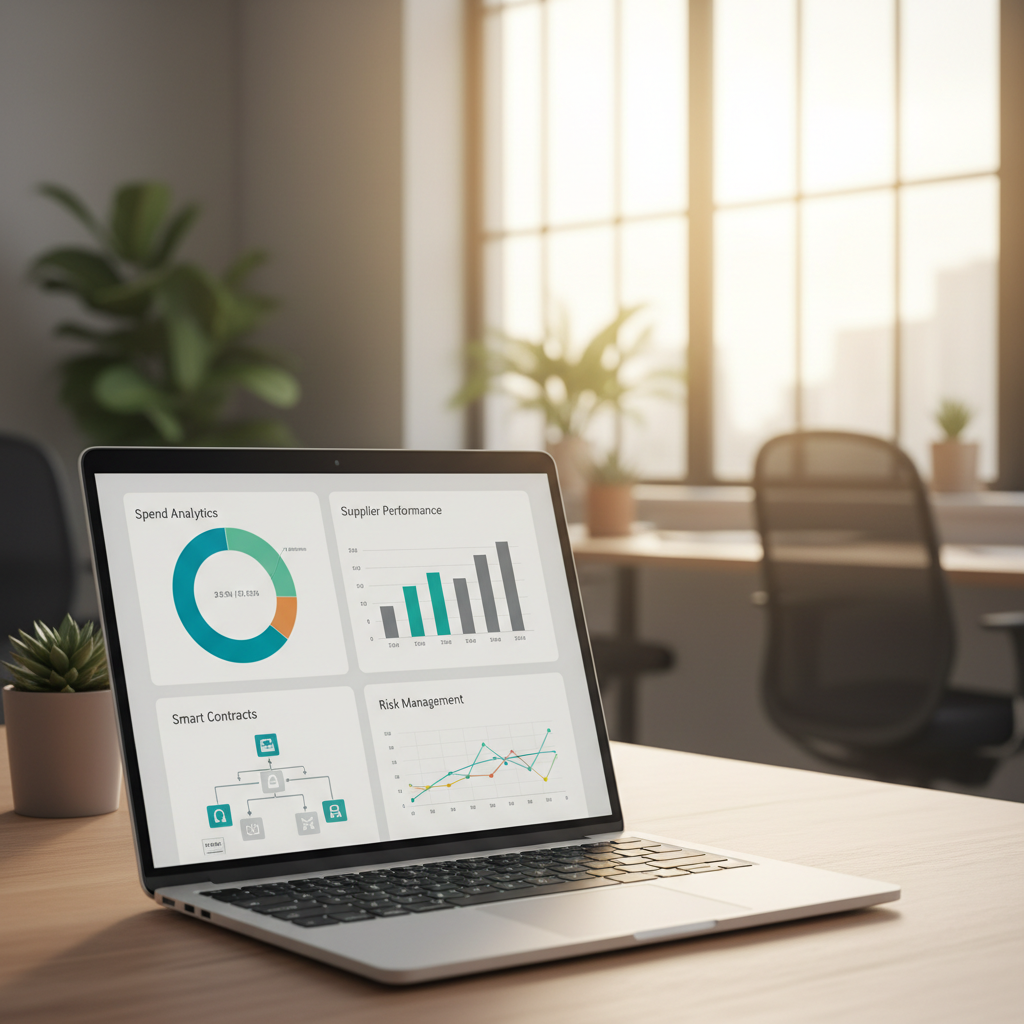
Understanding where your money goes is fundamental to cost control. AI excels at spend analysis, processing transactional data from various sources – invoices, purchase orders, expense reports – to provide a holistic view of your expenditures. It can categorize spending, identify anomalies, and pinpoint areas where costs can be reduced.
For example, AI can detect duplicate invoices, identify opportunities for bulk purchasing discounts, or flag instances where different departments are buying the same item from multiple vendors at varying prices. These insights empower SMBs to negotiate better terms with suppliers and consolidate purchasing, leading to significant savings. The key here is turning raw data into actionable intelligence, something traditional spreadsheets struggle to do at scale.
Contract Management and Compliance
Managing contracts can be a legal and administrative minefield for SMBs. AI-powered contract management tools can automate the creation, review, and tracking of supplier agreements. They can flag critical clauses, expiration dates, and compliance requirements, ensuring that your business adheres to contractual obligations and avoids penalties.
These systems can also analyze contract terms against market benchmarks, helping you identify opportunities for renegotiation. By centralizing contract data and automating alerts, AI reduces the risk of oversight and frees up valuable administrative time, ensuring your business stays compliant and competitive.
Predictive Analytics for Demand and Inventory
Accurate forecasting is crucial for efficient procurement and inventory management. AI can analyze historical purchasing data, sales trends, seasonal fluctuations, and even external factors like economic indicators to predict future demand with greater accuracy. This allows SMBs to optimize inventory levels, reducing carrying costs and minimizing stockouts.
By predicting what you'll need and when, AI helps you proactively engage with suppliers, often securing better pricing and ensuring timely delivery. This strategic foresight prevents last-minute, higher-cost purchases and improves overall operational flow.
Enhanced Supplier Relationship Management (SRM)
Strong supplier relationships are a competitive advantage. AI can contribute to SRM by providing a comprehensive view of supplier performance, including delivery times, quality, responsiveness, and adherence to terms. This data allows SMBs to identify high-performing suppliers and address issues with underperforming ones proactively.
By automating routine communications and providing performance insights, AI frees up your team to focus on strategic collaboration with key suppliers. This fosters stronger partnerships, leading to better service, more favorable terms, and greater innovation opportunities.
Implementing AI in Your SMB Procurement: Practical Steps
Adopting AI in procurement doesn't require a massive overhaul. Start small, focus on specific pain points, and scale up as you see results.
1. Assess Your Current State: Identify your biggest procurement challenges. Is it spend visibility, supplier sourcing, or contract management? Pinpointing a specific area will help you choose the right AI solution.
2. Define Clear Objectives: What do you want to achieve? Reduce costs by X%, decrease sourcing time by Y%, or improve contract compliance? Measurable goals are essential for evaluating success.
3. Start with a Pilot Project: Don't try to automate everything at once. Select a specific category of spending or a particular procurement process to test an AI solution. This allows you to learn and refine your approach with minimal risk.
4. Data Quality is Key: AI thrives on data. Ensure your purchasing data (invoices, POs, supplier info) is as clean, complete, and accessible as possible. Poor data will lead to poor AI outcomes.
5. Choose the Right Partner: Look for AI procurement solutions designed for SMBs. Prioritize user-friendly interfaces, strong integration capabilities with existing systems (like accounting software), and robust customer support. Consider solutions that offer modular features, allowing you to pay only for what you need.
6. Train Your Team: AI tools are powerful, but your team needs to understand how to use them effectively. Provide adequate training and emphasize how AI will enhance, not replace, their roles.
7. Monitor and Iterate: Continuously track the performance of your AI tools against your objectives. Be prepared to make adjustments and explore new features as your needs evolve.
Real Costs and Considerations
While AI offers significant benefits, it's important to consider the investment. AI procurement solutions typically come with subscription fees, which can vary based on features, usage, and the number of users. Implementation costs might include data migration and integration with existing systems.
However, the return on investment (ROI) can be substantial. Cost savings from optimized spending, reduced manual labor, and improved compliance often outweigh these initial investments. Many vendors offer tiered pricing, making it easier for SMBs to start with essential features and scale up.
Bottom Line
AI is no longer a futuristic concept; it's a practical tool for SMBs looking to gain a competitive edge in procurement. By automating mundane tasks, providing deep insights into spending, and strengthening supplier relationships, AI empowers businesses to make smarter, more strategic purchasing decisions. Start by identifying your most pressing procurement pain points, research SMB-friendly solutions, and pilot a project to experience the transformative power of AI in managing your business's critical expenditures.
The future of efficient and cost-effective procurement for SMBs is here, and it's powered by AI. Embrace these tools to turn your purchasing department from a cost center into a strategic asset.
Topics