
AI in HR Platforms: Navigating Compliance, Governance, and Vendor Roadmaps
SMBs must strategically integrate AI into HR platforms, balancing innovation with compliance and robust governance. This guide explores vendor strategies, regulatory landscapes, and practical implementation for sustainable growth.
Emily Zhao
Staff Writer
The integration of Artificial Intelligence (AI) into Human Resources (HR) platforms is no longer a futuristic concept; it's a present-day reality transforming how small and medium businesses (SMBs) manage their most critical asset: their people. From automating recruitment and onboarding to personalizing employee development and enhancing predictive analytics, AI promises significant efficiencies and strategic advantages. However, for SMB decision-makers – IT managers, operations directors, and business owners – the path to leveraging AI in HR is fraught with complexities. It's not just about selecting a shiny new tool; it's about understanding the underlying vendor strategies, navigating an evolving regulatory landscape, and establishing robust internal governance frameworks.
This isn't a theoretical exercise. The choices SMBs make today regarding AI in HR will directly impact their operational efficiency, compliance posture, and ability to attract and retain talent in a competitive market. Without a clear understanding of how vendors are building AI, what regulations are on the horizon, and how to govern these powerful tools, SMBs risk not only missed opportunities but also significant legal and ethical liabilities. This article cuts through the hype to provide a practical, expert-level guide for SMBs looking to harness AI in their HR platforms responsibly and effectively.
The Evolving Landscape of AI in HR: Vendor Strategies and Co-Creation
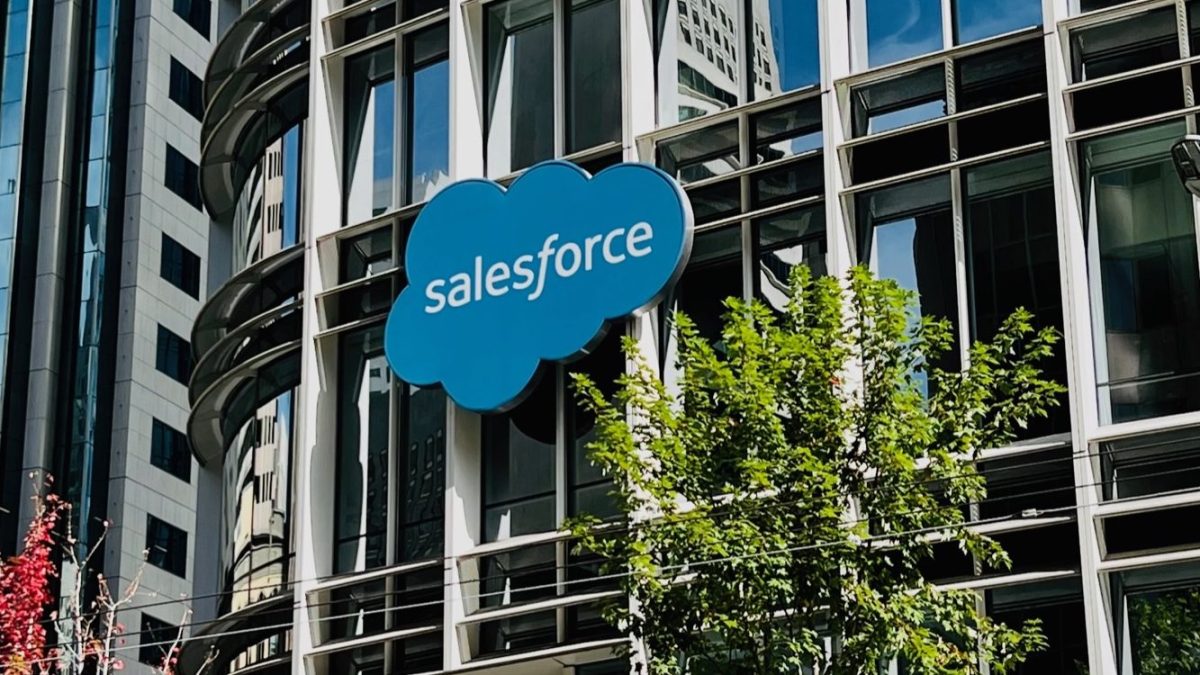
For SMBs, understanding how HR platform vendors are developing and integrating AI is paramount. Many leading enterprise software providers, like Salesforce, are increasingly adopting a co-creation model, crowdsourcing their AI roadmap directly with customers. This approach, while seemingly beneficial, has significant implications for SMBs.
Crowdsourced AI Roadmaps: Opportunities and Caveats
When a vendor like Salesforce involves its enterprise customers in shaping its AI features, it suggests that the solutions developed will be highly relevant to common, complex business problems. The logic is sound: if one large enterprise customer faces a challenge, many others likely do too. For SMBs, this can mean that sophisticated AI capabilities, initially designed for larger organizations, eventually trickle down into more accessible and scalable versions within their existing HR platforms.
Opportunities:
- Proven Solutions: AI features emerging from this model are often battle-tested in demanding enterprise environments, implying a higher degree of reliability and practical utility.
- Faster Innovation: Vendors can accelerate development by directly addressing real-world pain points, potentially bringing more valuable AI tools to market quicker.
- Standardization: Solutions designed for common problems can lead to more standardized and easier-to-implement AI features, reducing the need for extensive customization.
Caveats for SMBs:
- Feature Bloat: Features designed for large enterprises might be overly complex or unnecessary for smaller operations, leading to underutilized capabilities and increased subscription costs.
- Prioritization Mismatch: SMB-specific needs might be deprioritized in favor of enterprise requirements, meaning AI solutions tailored to common SMB challenges (e.g., managing a lean HR team, rapid scaling with limited resources) may take longer to appear or be less robust.
- Integration Challenges: Even if features are available, integrating complex AI workflows into existing lean SMB tech stacks can be challenging without dedicated IT resources.
Actionable Takeaway: When evaluating HR platforms with AI capabilities, inquire about the vendor's development methodology. Ask if their AI roadmap is influenced by a diverse customer base, including SMBs, or primarily by large enterprises. Prioritize vendors who demonstrate a clear understanding of SMB-specific needs and offer modular, scalable AI features that can grow with your business, rather than imposing enterprise-grade complexity from day one.
The Regulatory Tightrope: UK vs. EU AI Rules and SMB Impact
As AI proliferates, governments worldwide are grappling with how to regulate it. The debate between the UK and the EU regarding AI rules, as highlighted by recent news, underscores a critical and often overlooked challenge for SMBs: navigating divergent and evolving regulatory frameworks. This is particularly relevant for SMBs operating internationally or those with remote workforces spanning different jurisdictions.
Divergent AI Governance: A Compliance Minefield
UK tech ministers opposing alignment with EU AI rules argue that strict regulations could stifle innovation and growth. Conversely, the EU's proposed AI Act aims for a risk-based approach, categorizing AI systems by their potential harm and imposing stringent requirements on high-risk applications, including those used in employment (e.g., recruitment, performance management).
Implications for SMBs:
- Compliance Complexity: SMBs using AI in HR must monitor and comply with potentially different sets of rules depending on their operational footprint. This adds significant overhead for legal and compliance teams, which SMBs often lack.
- Vendor Lock-in/Flexibility: HR platform vendors might develop AI features compliant with the strictest regulations (e.g., EU AI Act) to ensure broad market access. While this offers some protection, it could also mean SMBs are paying for compliance features they don't strictly need or that impact the flexibility of the AI tools.
- Data Residency and Privacy: AI systems often rely on vast datasets. Regulatory differences can dictate where data must be stored, how it's processed, and what consent mechanisms are required, directly impacting HR data management.
- Ethical AI and Bias: Regardless of specific regulations, SMBs have an ethical imperative to ensure AI in HR is fair, unbiased, and transparent. Different regulatory approaches might offer varying levels of guidance or enforcement on these critical aspects.
Practical Considerations for Multi-Jurisdictional SMBs
For an SMB with, say, a sales team in London and a development team in Berlin, the regulatory divergence is not abstract. An AI-powered recruitment tool used for both locations must adhere to both UK and EU standards, or the stricter of the two. This impacts everything from initial candidate screening algorithms to how performance data is collected and analyzed.
Actionable Takeaway: Proactively engage with your HR platform vendors about their AI compliance strategies, especially concerning international regulations. Ask how their AI features are designed to meet diverse legal requirements, particularly around data privacy (GDPR, CCPA, etc.) and anti-discrimination laws. Consider legal counsel to assess your specific compliance obligations based on your operational geography and workforce distribution. Prioritize vendors who offer robust compliance documentation and configurable AI settings to adapt to different regulatory environments.
Establishing AI Governance: From Copilot to Control Plane
The news about PwC partnering with Google Cloud to enter the managed security market, alongside discussions about AI governance starting with identity, model access, and human approval, highlights a critical need for SMBs: robust AI governance. It's not enough to deploy AI; you must control it. For HR, where decisions impact livelihoods, effective governance is non-negotiable.
Why AI Governance is Crucial for HR
AI in HR goes beyond simple automation; it often involves predictive analytics, decision support, and even autonomous agents. Without proper governance, SMBs face risks such as:
- Bias and Discrimination: AI algorithms can inadvertently perpetuate or amplify existing biases in historical data, leading to unfair hiring practices or performance evaluations.
- Data Privacy Breaches: AI systems require access to sensitive employee data. Poor governance can expose this data to unauthorized access or misuse.
- Lack of Transparency: Opaque AI decision-making (the
Topics
About the Author
Emily Zhao
Staff Writer · SMB Tech Hub
Our software reviews team conducts independent, in-depth evaluations of B2B platforms — CRM, HR, marketing automation, and more — to help SMB decision-makers choose with confidence.